
If you're dealing with persistent joint pain, sluggish muscle recovery, or simply want a better way to unwind after a long day, a red light therapy mat might be the most practical wellness investment you haven't tried yet. This guide breaks down how these devices work, what to look for, and how to build a routine that actually delivers results.
Answer First: What Is a Red Light Therapy Mat & Who Is It Best For?
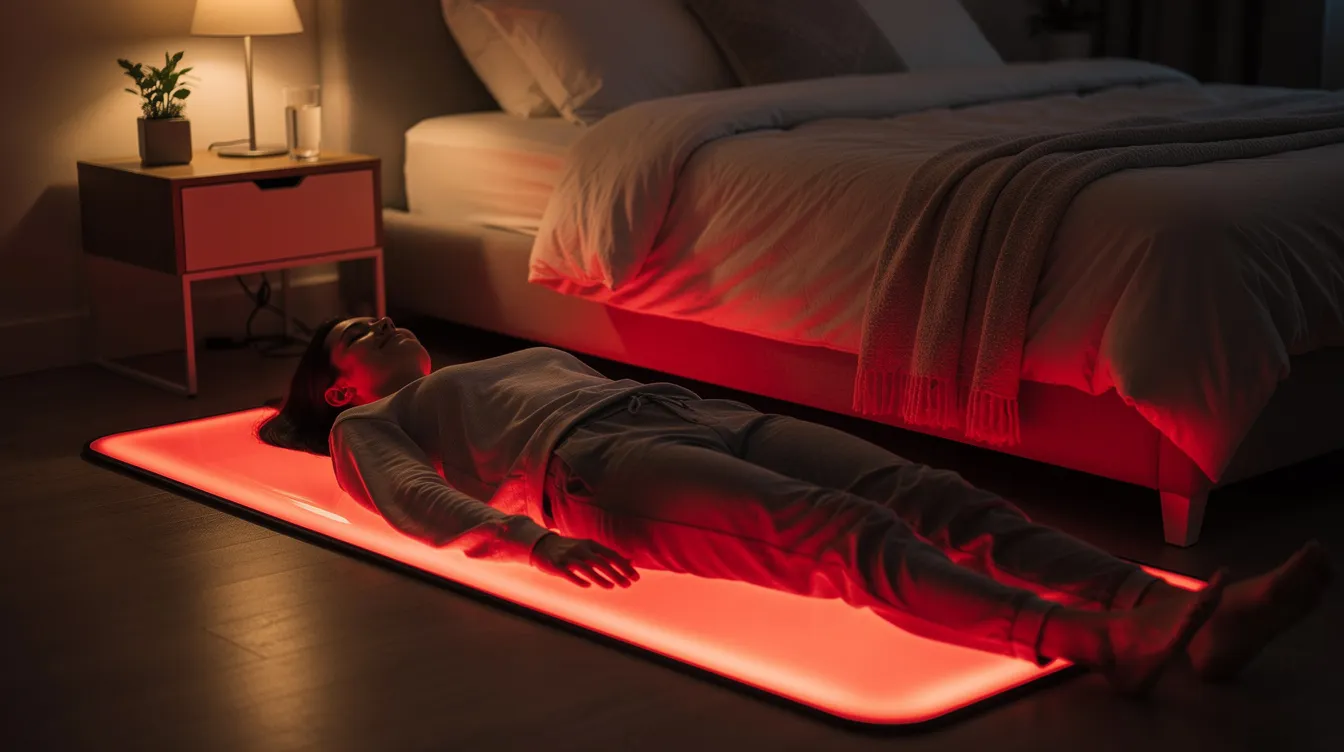
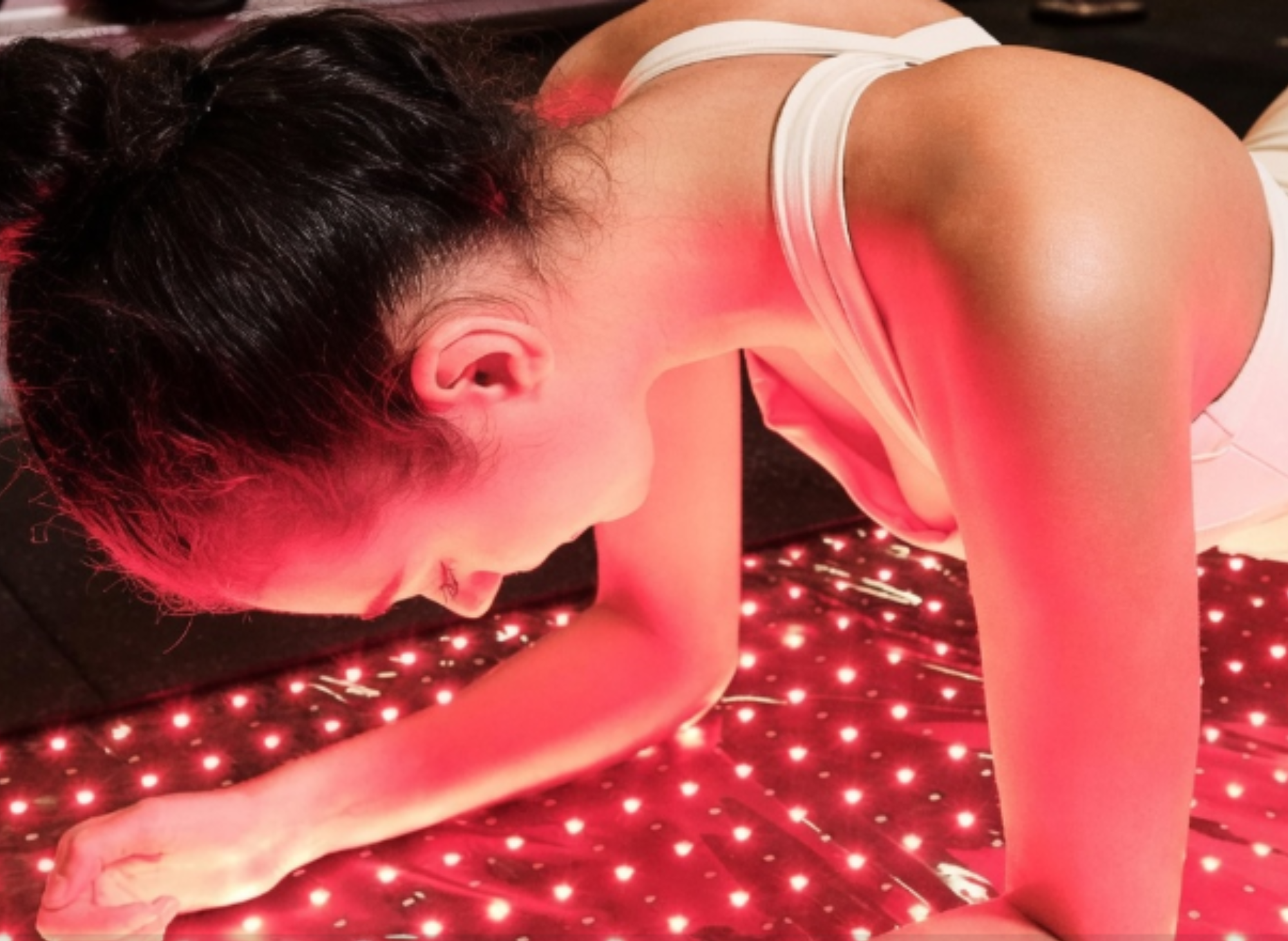
A red light therapy mat is a flat, flexible panel embedded with LED lights that emit specific wavelengths of red and near-infrared light. You lay on it (or drape it over your body) to deliver full-body red light therapy at home, targeting everything from your neck down to your toes in a single session.
Unlike small pads or belts that treat one body part at a time, a full-body mat covers your entire back, spine, hips, and legs at once. This means higher total energy delivery, no repositioning, and a simpler fit into your daily routine.
Common use cases include:
- Joint pain and arthritis relief
- Muscle recovery after workouts or physical labor
- Chronic back pain and stiffness
- Skin health and anti-aging support
- Stress reduction and relaxation
A body red light mat is a non-invasive, drug-free option that can complement medical treatment, though it should not replace it for serious conditions.
Many popular models use similar wavelengths. For example, QuasarMD's mat combines 660nm and 850nm wavelengths for deep tissue healing, while brands like HigherDose, Nicebeam, and Nuvio Recovery follow comparable dual-wavelength designs around 660 nm red and 850 nm near-infrared.
How Red & Near Infrared Light Therapy Actually Works
Red light therapy uses specific wavelengths of visible red and near-infrared light that are absorbed by your cells to support natural repair processes. Wavelengths typically used in red light therapy include 630–660 nm and 810–850 nm. These are non-ionizing, meaning they don't damage DNA the way UV radiation can.
At the cellular level, photons from red and infrared light are absorbed by a molecule called cytochrome c oxidase inside your mitochondria. This triggers a chain reaction: increased ATP production (your cells' primary energy currency), improved circulation, nitric oxide release for better blood flow, and reduced oxidative stress. Red light therapy can increase energy levels by stimulating ATP production, which translates to less pain and faster muscle recovery over time.
Red light in the 630–670 nm range primarily affects the skin and superficial tissue, supporting collagen production and skin repair. 660nm red light penetrates deeper than smaller, less powerful devices can deliver. Near infrared light in the 810–850 nm range penetrates up to 2 inches beneath the skin, reaching muscles, joints, tendons, and even bone tissue for deeper healing.
Most body red light therapy mats combine both ranges using dual wavelength technology, so you get skin rejuvenation and deep joint and muscle support in one session.
Consumer red light therapy mats do not emit UV or excessive heat. They are fundamentally different from tanning beds (which use UV) and infrared saunas (which rely primarily on heat). Any warmth you feel is mild, generated by LED energy absorption rather than heating elements.
Red light therapy mats use specific wavelengths to stimulate cellular regeneration, building on nearly a century of photobiomodulation research. NASA-linked studies from the 1980s onward helped validate how red and infrared light supports tissue healing, lending scientific credibility to devices now available for home use.
Key Benefits of Using a Red Light Therapy Mat
Benefits vary by individual, but they commonly cluster around pain, recovery, skin, and well-being. Here is what consistent users and clinical research point to:
- Joint pain and stiffness. Red light therapy mats can help with joint stiffness and arthritis, particularly in the knees, hips, and lower back. Studies on post-surgical patients using NIR light showed improved range of motion and reduced pain scores compared to control groups.
- Muscle recovery. Therapeutic use of red light may improve muscle recovery after exercise. Users report reduced muscle soreness after using red light mats, especially for delayed onset muscle soreness following intense training.
- Reduced inflammation. Red light therapy may reduce inflammation and promote healing in conditions like tendinitis and chronic low-grade pain. Full body red light therapy may also help decrease blood pressure through improved circulation.
- Skin appearance. Red light therapy can improve skin tone and stimulate collagen. In one protocol, over 90% of patients reported smoother skin, less redness, and fewer dark spots after consistent sessions. The therapy supports skin texture, helps reduce fine lines, and may improve scars and stretch marks.
- Relaxation and sleep. Exposure to red light therapy may promote relaxation and better sleep. Red light therapy may improve sleep quality and reduce stress, making evening sessions particularly useful for winding down.
A full-body mat treats multiple body parts simultaneously, making it better suited than small pads for systemic conditions like fibromyalgia or overall body soreness.
Users of products like Nuvio Recovery, Nicebeam, HigherDose, and QuasarMD frequently mention improved mobility, faster recovery between workouts, and less morning stiffness. Some absolutely love how it fits into their evening wind-down.
Results are not guaranteed. Users with medical conditions should consult their doctor before starting light therapy. The therapy has potential applications for treating various health conditions, but individual responses vary.
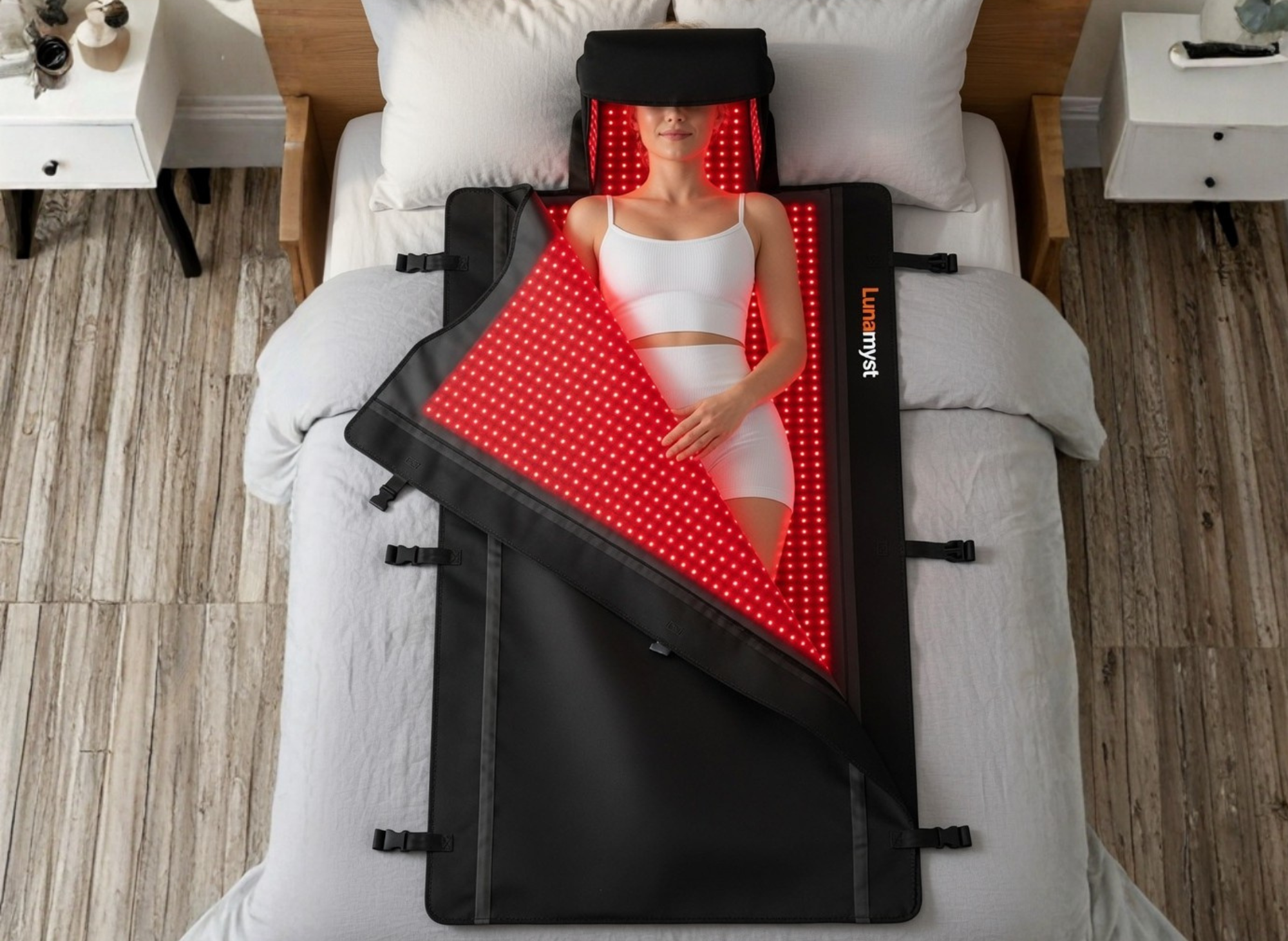
Lunamyst Light Therapy Mat
Full Body 87.4" x 33", 2874 LEDs, 660/850nm | FSA&HSA Eligible, skin-friendly TPU surface, 2874 3-in-1 LED chips for back, legs, joints, and daily wellness routines. Feeling sore? This red light therapy mat is perfect for pain relief and recovery.
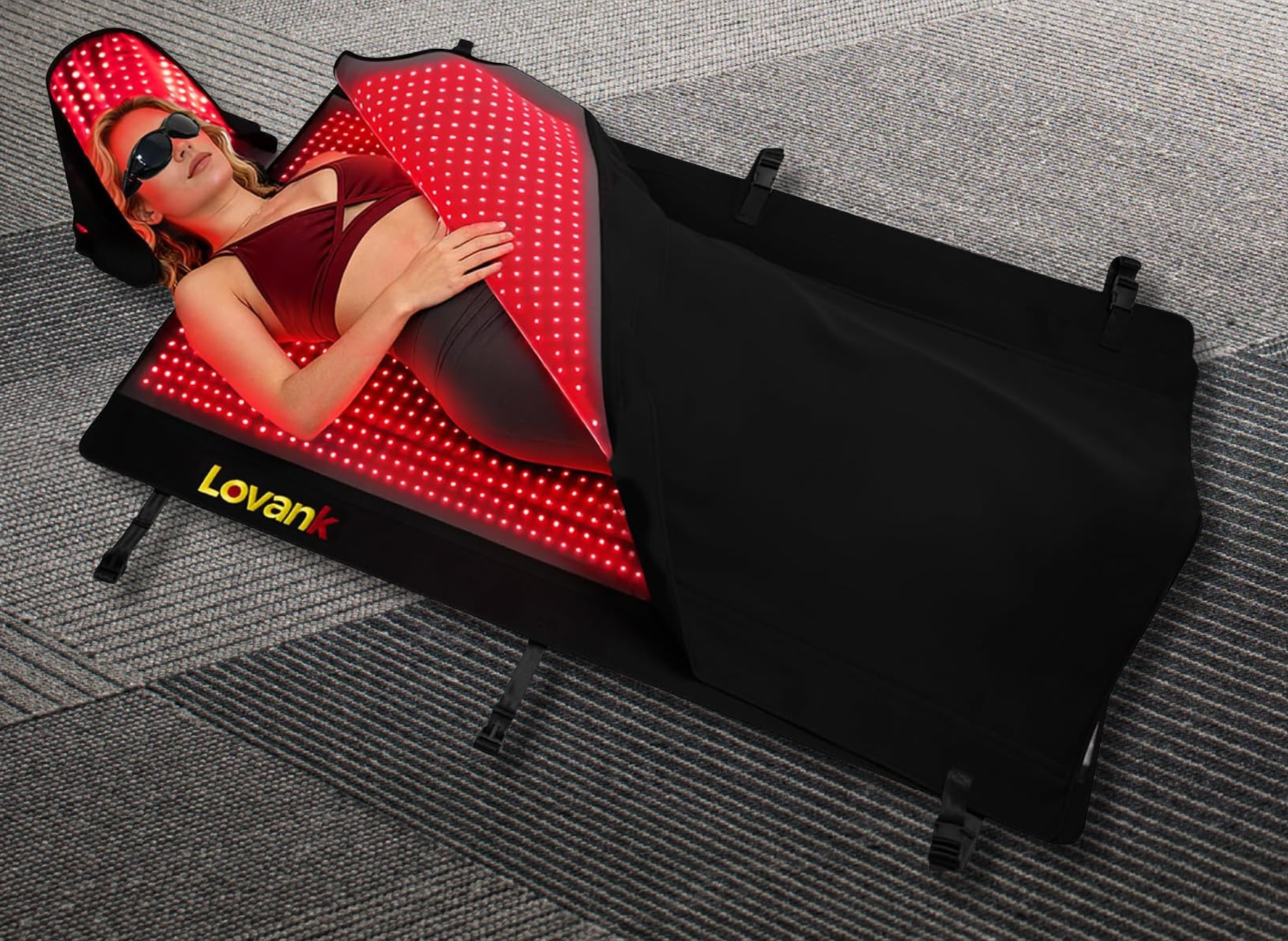
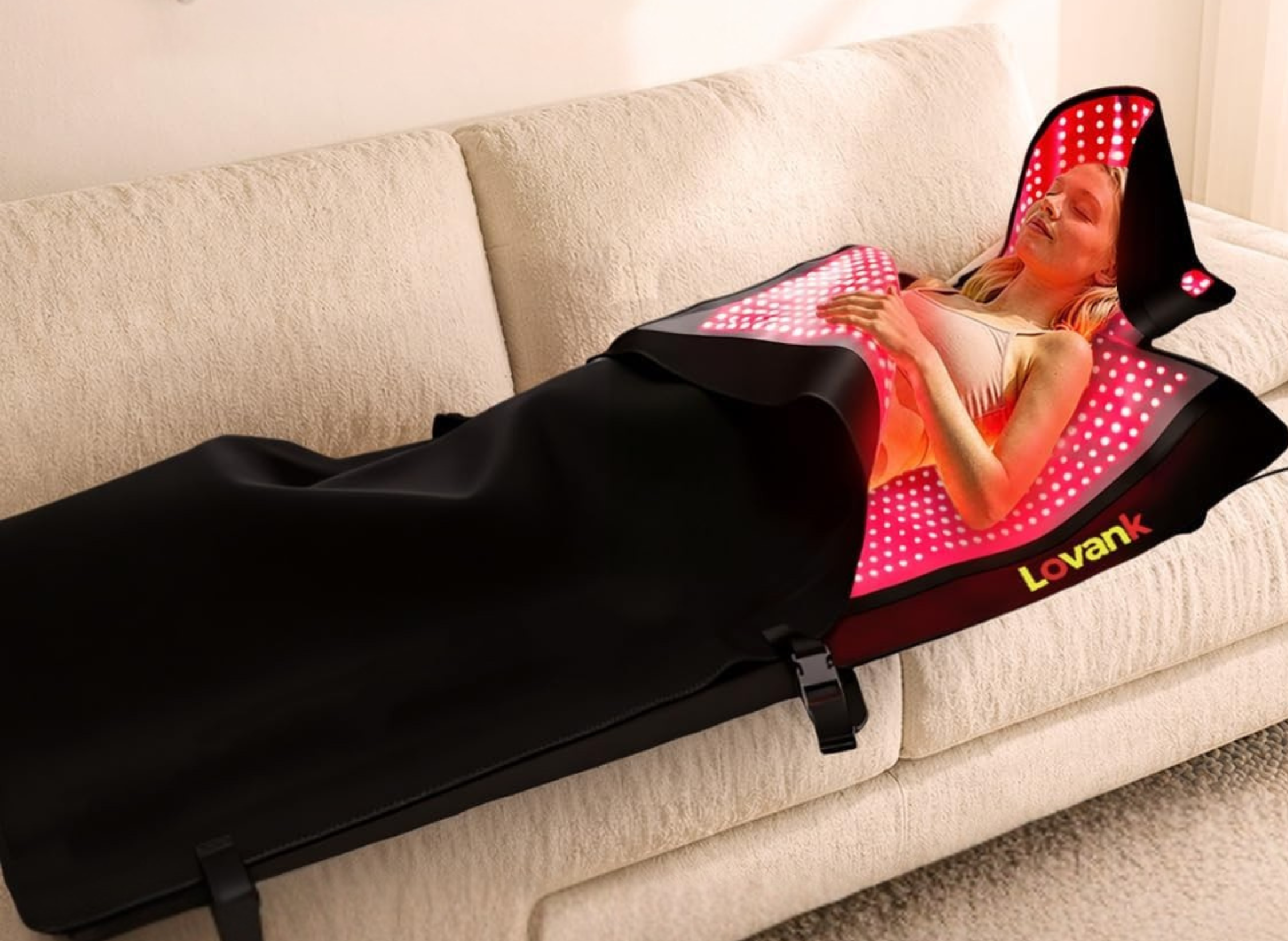
Lovank Red Light Therapy Mat for Full Body
Pain Relief, 83" × 33", Medical-Grade TPU Light Therapy Blanket with 2710 Dual-Wave LEDs (660nm & 850nm). Feeling achy? This red light therapy mat is a lifesaver for full body pain relief!
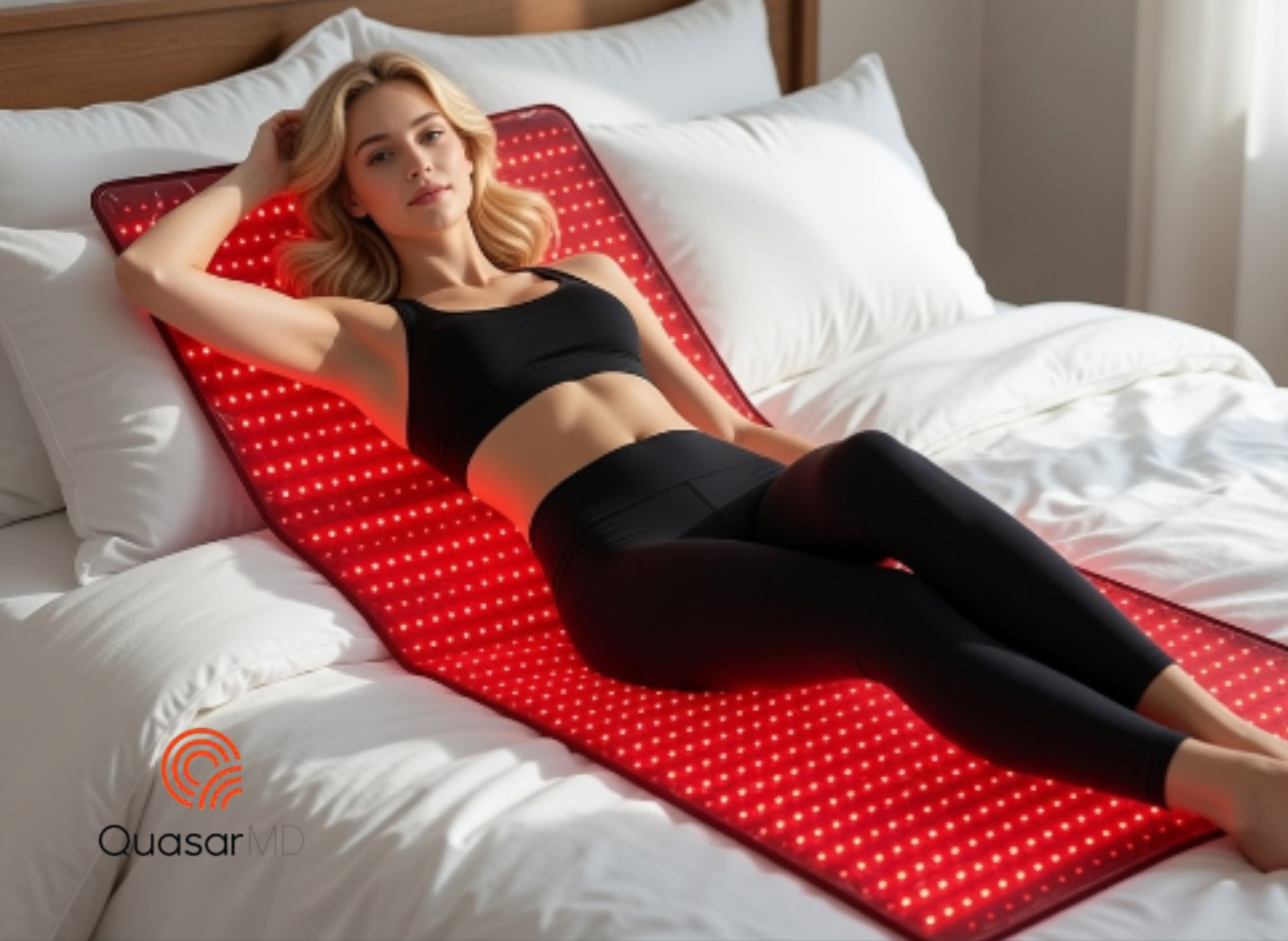
QuasarMD Medical-Grade Full Body Red Light Therapy Detachable Mat
2052 PCS High-Power 5050 LEDs, Stable Wavelength 660nm & 850nm Near Infrared Light for Pain Relief, Enhances Recovery, Sleep.
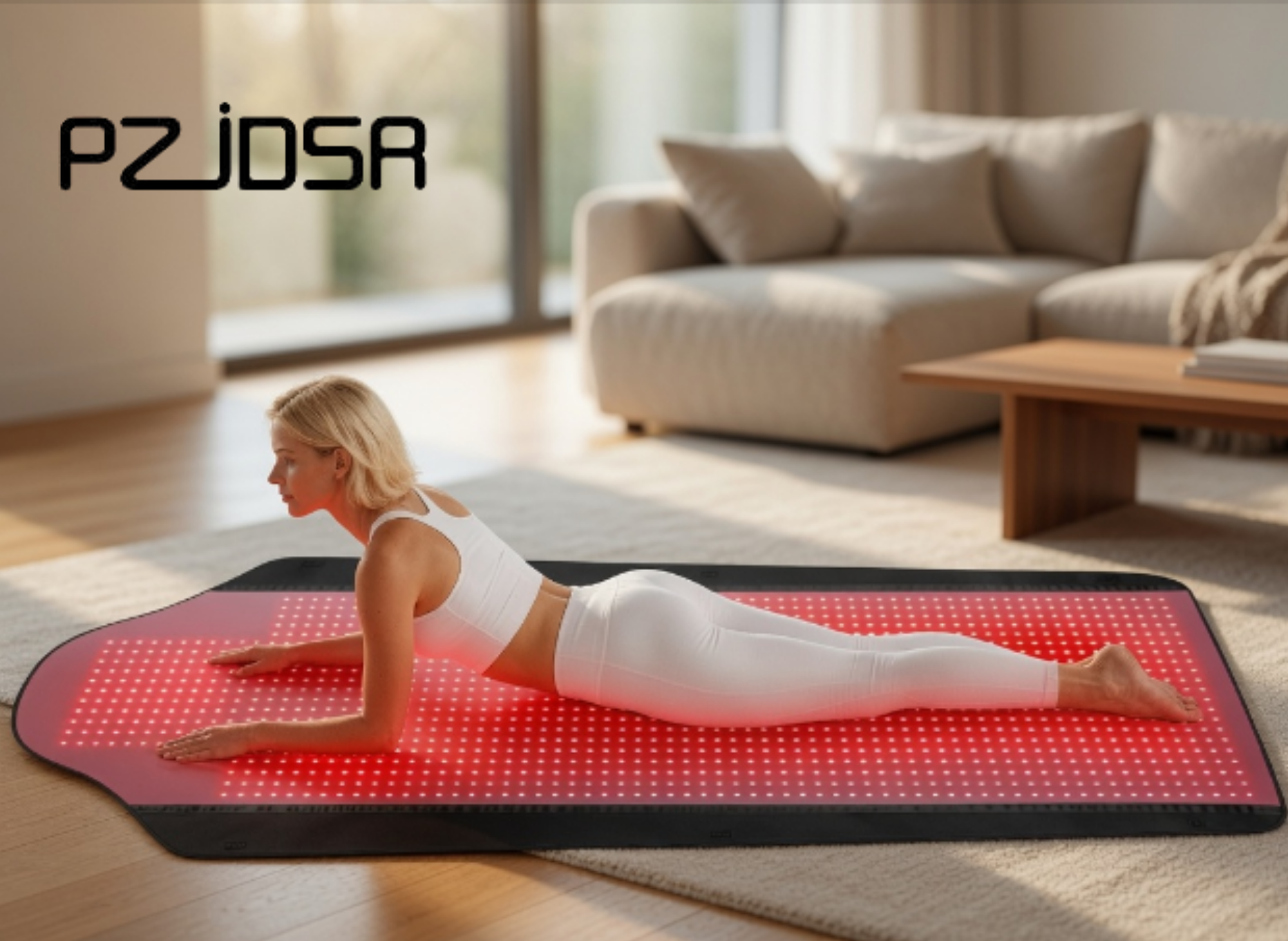
PZJDSR Red Light Therapy Mat for Full Body
Largest 1444 LEDs Near Infrared Light Therapy Pad, 660nm& 850nm 2-in-1 LEDs Light Blanket, High-end Leather, 5 Power Levels UP to 288W, 73"x 35". Full-body relief with this red light therapy mat. Great for muscle recovery and relaxation!
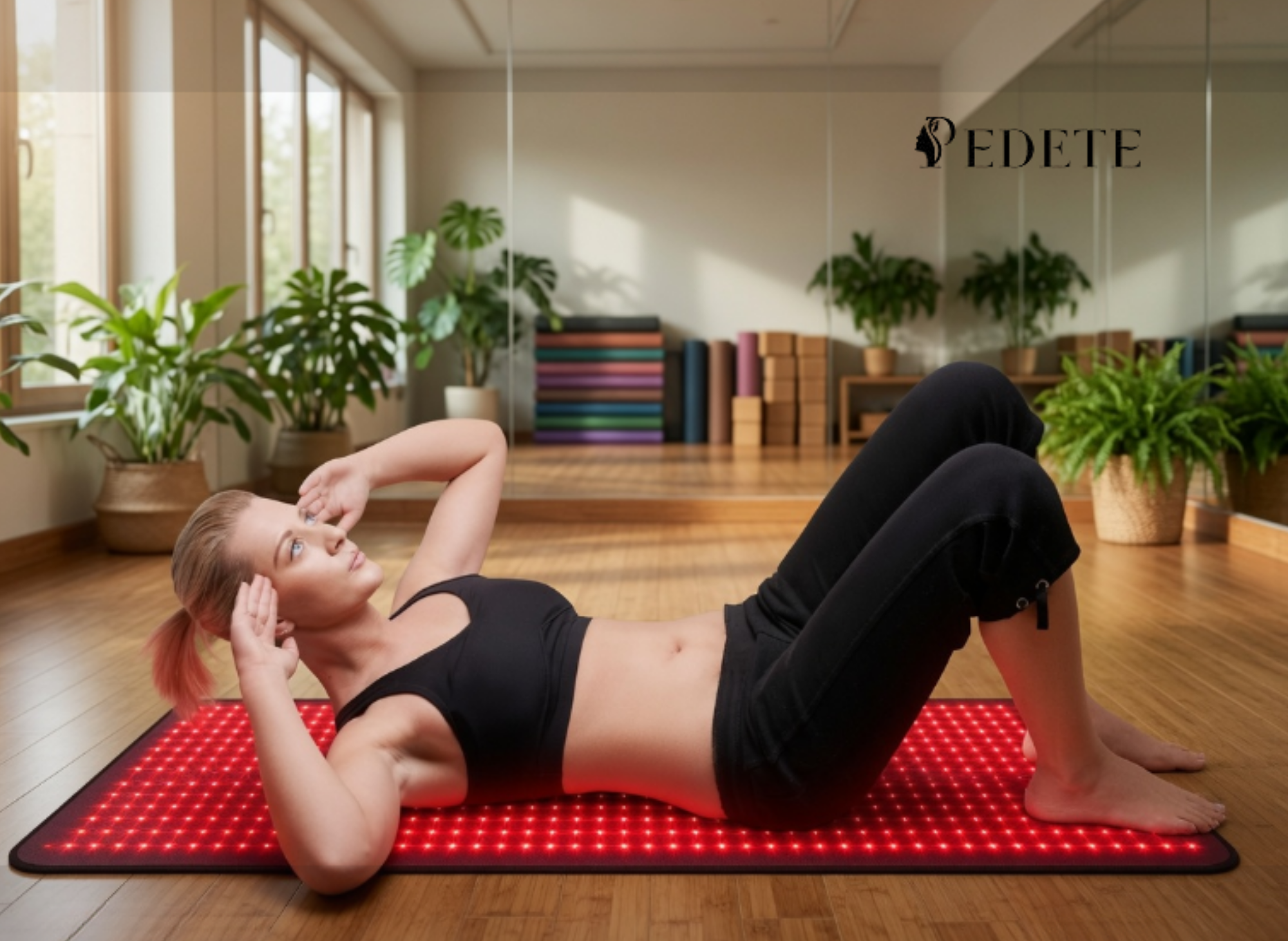
Pedete Red Light Therapy Mat for Body
39x24in Near Infrared Light Therapy Pad | 660nm & 850nm Red Light Therapy for Body with Timer, Flexible Light Blanket for Back, Shoulder Joints, Pets with Storage Bag. This red light therapy mat is perfect for a relaxing body massage!
Red Light Therapy Mat vs. Pads, Belts & Local Devices
A full-body mat covers your torso, spine, hips, and legs in one session. Smaller light therapy pads, belts, and wraps target a single treatment area like a knee, wrist, or neck. The tradeoff is scope versus portability.
Here is how they compare:
- Coverage: A full-body mat treats head-to-toe regions simultaneously; pads handle one spot at a time.
- Use cases: Systemic pain, overall wellness, mood, and post-workout recovery favor a mat. A single chronic problem like a sprained ankle or carpal tunnel may be fine with a pad.
- Session efficiency: One 20–40 minute session on a mat covers everything. Using pads means repositioning for each area, doubling or tripling your time commitment.
A smaller pad might still be ideal if you travel frequently, have a limited budget, or only need to target one chronic problem area. Comfytemp offers red light mats in various sizes up to 41.5"x26", which can work well for localized issues at a lower price.
Some brands offer both: Megelin sells a mat with a headpiece, and Comfytemp has multiple pad sizes. Many users stack devices, using the mat for general relief and a pad for stubborn spots.
If your issues are widespread or you are chasing overall wellness, mood, and sleep support, a full-body mat is the better investment. Single-joint chronic pain often fits a light therapy pad just fine.
How to Use a Red Light Therapy Mat Step‑by‑Step
Correct setup and positioning maximize the benefits from any therapy mat. Here is a straightforward approach:
Start by placing the mat on a flat surface. A bed, floor, massage table, or recliner all work. Position the mat on a flat surface for optimal exposure, ensuring the LED side faces your body.
For clothing, direct skin contact enhances light penetration effectiveness. If you prefer covering up, use thin, light-colored fabrics. Avoid thick or dark clothing, which absorbs and blocks light before it reaches your skin.
Power on the mat and select your mode. Most dual-wave mats let you choose red only, NIR only, or a combination of both. For general wellness and recovery, the combo mode delivers the broadest benefits.
Set the timer. Use red light therapy mats for 10 to 20 minutes per session when starting out. Experienced users often extend to 20–40 minutes depending on the device's guidelines and light intensity.
Many full-body mats from brands like HigherDose, Nuvio, and Nicebeam are designed for lying down. You can meditate, breathe deeply, or simply rest. Hydrate before and after sessions to support tissue repair.
Start with fewer weekly sessions to test your sensitivity, around three times per week. Monitor how your body responds before increasing frequency.
Some mats use a sleeping bag or pod design. Megelin and similar brands offer configurations that zip up or fold around your body, treating both front and back simultaneously for more intense, 360-degree coverage.
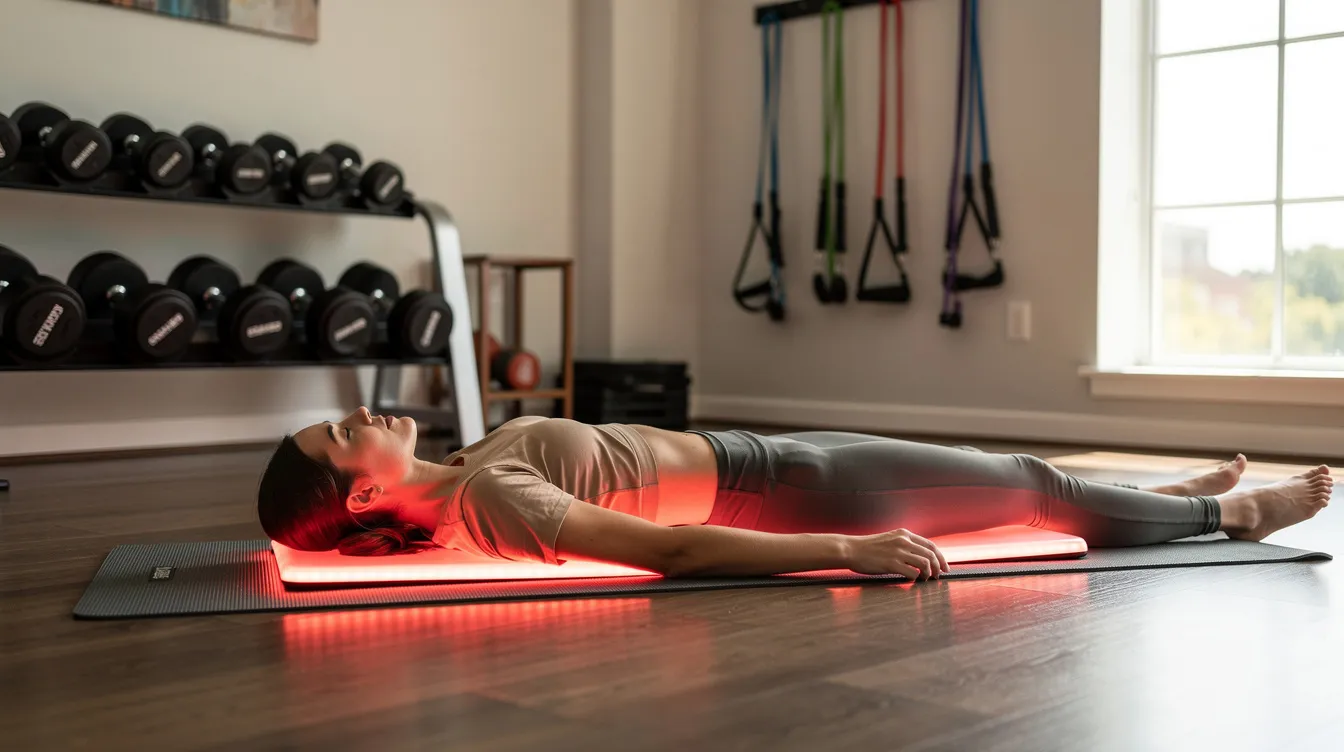
How Often & How Long: Building an Effective Light Therapy Routine
Consistency matters more than marathon sessions. Consistent use of red light therapy mats is recommended for optimal results, and regular use over weeks tends to outperform occasional long exposures.
A solid starting framework:
- Aim for three to five sessions per week for best results, especially during the first 4–6 weeks.
- Begin with 10–20 minutes per session. Sessions of 15–20 minutes are recommended for pain relief.
- Sensitive users can start at 5–10 minutes and build up gradually.
- Some devices allow longer sessions. The Nuvio Recovery mat allows sessions up to 90 minutes with 3,840 LEDs, though most people do not need that length.
Your goals shape your frequency. Pain relief and muscle recovery benefit from more frequent sessions during flare-ups or intense training blocks. Skin rejuvenation and anti-aging effects emerge gradually with daily or near-daily short sessions over several months.
Be aware of the "dose window." Very long sessions or stacking multiple high-powered devices can produce diminishing returns. More is not always better.
A sample schedule: 20 minutes, four evenings per week after work, lying on your full body mat. Add one longer weekend session of 30–40 minutes focused on relaxation and recovery. Adjust based on what your body tells you.
Features to Look For in a Full Body Red Light Therapy Mat
Specs and construction quality vary widely between brands and price points. Here is what to prioritize:
Key specifications:
- Wavelengths: Look for dual wavelengths at approximately 660 nm (red) and 850 nm (near infrared) for both skin-level and deep tissue benefits.
- LED count and distribution: Dense, even coverage from neck to ankles matters. Nicebeam mats come in sizes of 63"x24" or 71"x32" with 3,840 LEDs. Megelin's therapy bag includes 3,840 LED lights for full-body coverage. HigherDose's mat features 1,000 LEDs with dual-wavelength technology. Sparse layouts create dead spots with uneven dosage.
- Irradiance: Irradiance levels of 20–100 mW/cm² are recommended for effective treatment. Use light intensity between 20–40 mW/cm² for comfortable, effective home sessions without overwhelming intensity.
Design elements:
- Size: True full-body mats typically run 63"–71" long and 24"–32" wide.
- Materials: Synthetic leather or durable outer layers with medical-grade silicone LED panels. Flexible enough to roll or fold without damaging LEDs.
- Controls: Built-in controls with preset timers (10, 20, 40, 60 minutes), intensity adjustment, and mode selection. Some include wired or wireless remotes.
Convenience features:
- Roll-up storage with straps or bags for tight space situations.
- Hanging options with included hooks so you can hang the mat on a wall when not in use.
- Dual-sided LEDs or bag configurations for 360° coverage, like Megelin or Novaa-style pods.
Safety elements to confirm: overheat protection, automatic shut-off, clear labeling, and low EMF design where applicable.
Safety, FDA Clearance & Certifications
Red and near-infrared light therapy is generally considered low-risk when devices are used as directed. Side effects are typically mild and transient: slight warmth, minor redness, or temporary skin sensitivity.
There is an important distinction between "FDA cleared" and "FDA registered." FDA clearance ensures the safety and quality of red light therapy devices for specific indications like pain relief or wrinkle reduction through the 510(k) process. Many full-body mats are sold as general wellness devices and are FDA registered but not cleared for medical claims. Some devices, like certain QuasarMD medical-grade products, highlight FDA clearance specifically.
Marketing claims regarding red light therapy should be evaluated for evidence. Independent testing can verify the wavelengths and power output of red light therapy devices, so look for brands that publish transparent data.
What to check before buying:
- Clear labeling of wavelengths and power output
- Safety marks such as CE, RoHS, or equivalent standards
- Transparent documentation rather than vague "medical grade" claims
Usage precautions:
- Safety precautions are necessary to avoid direct exposure to high-intensity LEDs. Use eye protection, especially with high-powered NIR devices, and never stare directly into the light.
- Consult a healthcare professional if pregnant, photosensitive, using photosensitizing medications, or managing serious medical conditions.
- Follow recommended session times to avoid overexposure.
Full Body Mat Use Cases: Pain Relief, Muscle Recovery & Beyond
A full body mat fits into daily life more easily than most people expect. Here are real-world scenarios where these devices shine.
Pain-related applications:
- Chronic lower back pain, sciatica, and hip stiffness. Position the mat so your lumbar region, hip flexors, and back of thighs receive both red and NIR light.
- Knee and ankle issues from arthritis or sports injuries. Lie with knees in direct contact with LEDs for targeted joint support.
- Whole-body achiness from fibromyalgia, long hours of standing, or sedentary desk work.
Athletic and fitness recovery:
- Post-workout recovery for runners, lifters, cyclists, and team sport athletes looking to reduce delayed onset muscle soreness.
- Integrating sessions with stretching, foam rolling, or massage for compounded recovery benefits.
- Using the mat before and after training during competition blocks to preempt fatigue.
Wellness and anti-aging:
- The therapy supports skin texture, tone, and collagen stimulation when combined with consistent skincare.
- Evening sessions can support relaxation, mood, and winding down. Some users report improved sleep quality when using the mat a few hours before bed.
- Full-body red light therapy may help decrease blood pressure through improved circulation over time.
Many midlife and older users (50+) treat their body mat as a daily "recovery partner," managing joint pain in the knees, hips, and back without increasing medications. This reflects how products like QuasarMD-style medical-grade mats are marketed to health-conscious consumers.
Comparing Popular Red Light Therapy Mat Types & Price Ranges
Prices range from a few hundred dollars to well over a thousand, depending on size, LED count, features, and brand positioning.
Entry-level body pads and smaller mats: Products like the Comfytemp line (up to 41.5"x26") and basic belts run roughly $200–$500. These offer partial body coverage and are a good way to test whether light therapy works for you without a major purchase.
Mid-range full body mats: Nicebeam mats (63"x24" or 71"x32", 3,840 LEDs), Nuvio Recovery (3,840 LEDs with sessions up to 90 minutes), and similar Amazon full body mats fall in the $500–$1,200 range. These deliver full coverage, dual wavelengths, and adjustable intensity at a reasonable price.
Premium and pro-oriented devices: HigherDose's full body mat (1,000 LEDs, dual-wavelength technology), Megelin's bag-style system (3,840 LEDs), and QuasarMD medical-grade mats often exceed $1,000–$2,000. These feature advanced controls, pulsing NIR modes, higher quality materials, and more comprehensive coverage.
Evaluating value beyond sticker price:
- LED lifespan (often 50,000–100,000 hours)
- Warranty length and customer support quality
- Included extras: eye protection, storage bags, hanging hardware, remote controls
Some products emphasize medical-grade build and clinic-style performance. Others lean into spa-like relaxation and home wellness. Choose based on your primary goals. Paying more makes the most sense if you plan daily use for chronic pain or athletic performance rather than occasional casual sessions.
Frequently Asked Questions About Red Light Therapy Mats
Readers often share similar questions before buying a full-body mat. Here are the most common ones:
How soon will I notice results?
Some people feel pain relief within a few sessions, while skin and systemic changes may take 4–12 weeks of consistent use. Track your progress week over week.
Does it get hot like an infrared sauna blanket?
Most body red light mats feel slightly warm but are not heating devices. The heat comes from LED energy absorption, not dedicated heating elements. Expect gentle warmth, not a sauna-level experience.
Can I use a mat every day?
Yes, for most people, daily use within recommended time limits is fine. Emphasize gradual buildup, starting with shorter sessions a few times per week before increasing to daily use.
Is red light therapy safe for eyes?
Avoid staring directly into the LEDs. Use eye protection with brighter, higher-powered devices. If you have an eye condition or recent surgery, consult your ophthalmologist.
Can I combine red light therapy with other treatments?
Often yes. Many users combine sessions with massage, stretching, or topical skincare. Coordinate with a healthcare professional if you are using UV-based therapies or photosensitizing medications.
What about metal implants or joint replacements?
NIR light does not affect metal implants, so it is typically safe. However, confirm with your physician if you notice any changes in sensation near the implant site.
Real-world reviews and user experiences help set realistic expectations, but individual responses always vary.
Getting Started: Choosing Your First Full Body Red Light Therapy Mat
Full-body red light therapy mats offer convenient, at-home access to body-wide red and near-infrared light for pain relief, recovery, and overall wellness. Here is a simple framework for choosing yours:
- Define your priority. Is it joint pain, muscle recovery, skin support, or general wellness? This shapes which features and wavelengths matter most.
- Decide on coverage and budget. A full-body mat handles widespread issues and optimization goals. A smaller pad works for single-joint problems on a tighter budget.
- Check key specs and safety markers. Verify dual wavelengths (~660 nm and ~850 nm), LED density, built-in controls, certifications, and warranty terms.
Think about where you will use the mat. A bedroom, home gym, or living room each calls for different sizes and portability levels. Consider how much space you have to lay the mat out or hang it on a wall for storage.
Start with a modest, sustainable routine: 15–20 minutes per red light therapy session, three to four times per week. Adjust session length, intensity, and frequency as you observe how your body responds over the first month.
Treat a red light therapy mat as a long-term wellness tool, not a quick fix. The real benefits come from consistency and listening to your body. Start your routine this week, track what changes, and build from there.
Thank you for reading!
Your friend,
Kelly
RedLightTherapy 🔴 #RLTMat 💡 #InfraredTherapy ✨ #PainRelief 💪 #MuscleRecovery 🧘 #WellnessJourney 🌿 #LEDLightTherapy 🔥 #HomeHealing ❤️ #SkincareGlow 🌟 #HealthAndWellness 🧘♀️
Welcome to FactsFanatics. As an Amazon Associate, we earn from qualifying purchases (at no cost to you) from links found within these pages if you choose to buy something.
Amazon Prime offers a wide range of products to meet diverse customer needs, with the added benefit of fast, reliable delivery. From household essentials and groceries to electronics, clothing, and entertainment, Prime members get access to exclusive deals and discounts across a wide range of categories.
Additionally, Prime membership includes access to services like Prime Video for streaming movies and TV shows, Amazon Music for ad-free music, and Prime Reading for eBooks and magazines. This comprehensive suite of benefits makes Amazon Prime a convenient and value-packed option for millions of customers worldwide.
- Prime for you, adult
- Free 30-day trial of Prime
- All of Prime, half the price.
- Prime Video
- Wedding Registry
- Kindle Unlimited
 Kelly Bandel
 Kelly Bandel
 Kelly Bandel
 Kelly Bandel
 Kelly Bandel
 Kelly Bandel
 Kelly Bandel
 Kelly Bandel
 Kelly Bandel