
Welcome to FactsFanatics. As an Amazon Associate, we earn from qualifying purchases (at no cost to you) from links found within these pages if you choose to buy something.
A bad anchor can ruin a great day on the water. Obstacles like rocks can make anchoring more challenging, as anchors may jam or fail to set properly in rocky environments. Whether you’re anchoring for a sandbar lunch or waiting out a tide shift, the wrong anchor means constant tugging, unexpected drift, or, worse, watching your boat float away while you’re ashore.
Most boaters don’t think much about anchor selection until something goes wrong. Choosing the right anchor size and ensuring it is sufficient for your boat is crucial and should be based on your boat's length to guarantee proper holding power and safety. A common guideline is to select an anchor weighing about 1 to 1.5 pounds per foot of boat length for calm waters.
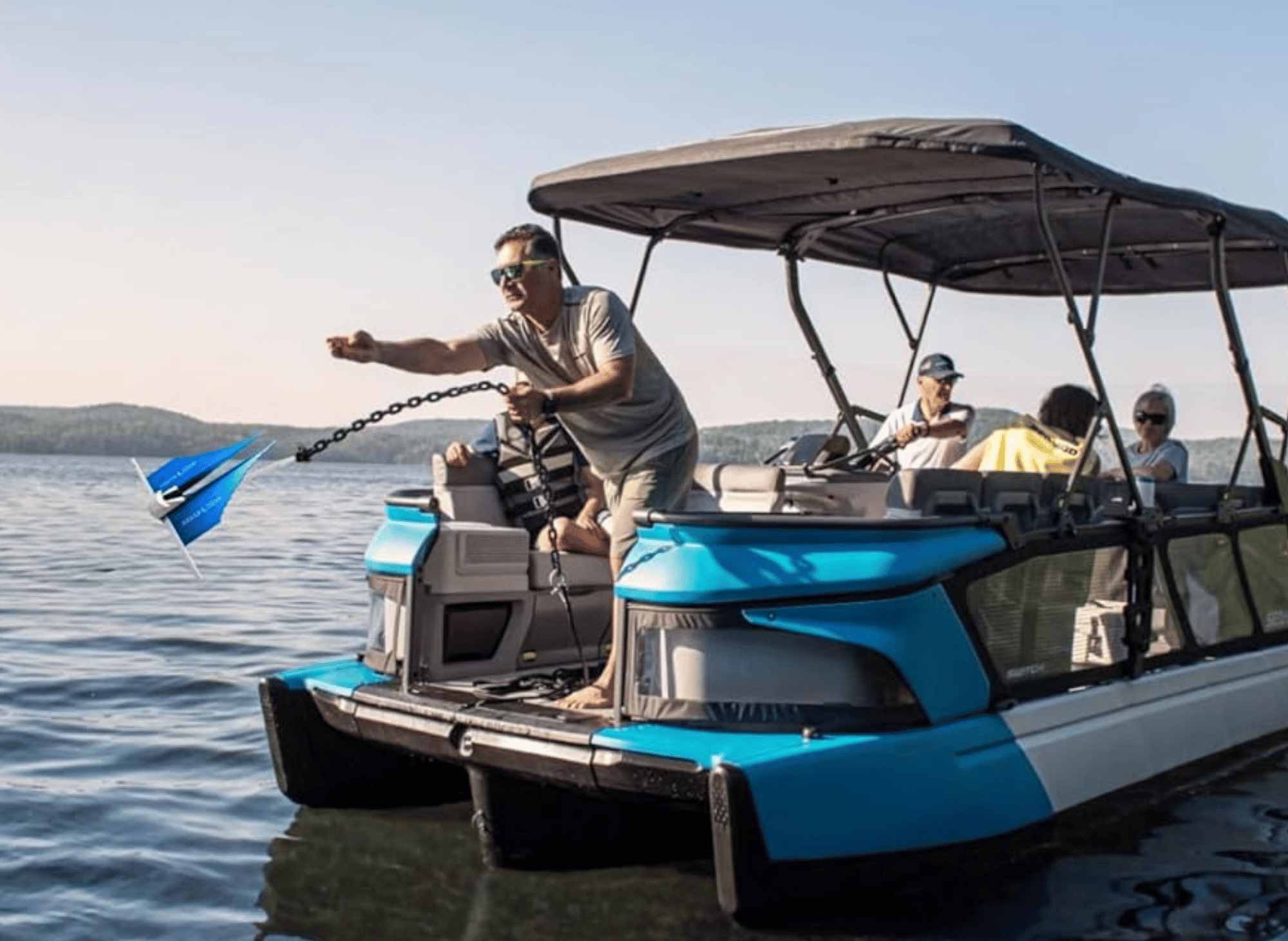
The SandShark Premium Fluke Anchor is changing that conversation. Designed for 16–30 ft watercraft and built from high-strength aircraft-grade aluminum, it delivers serious holding power in a compact, five-pound package. It’s become the go-to anchor for pontoon owners, sport boat captains, and recreational boaters who want performance without hauling heavy galvanized steel across their deck. Some anchors are specifically designed to minimize slip, which is especially important in challenging conditions such as rocky or grassy bottoms.
This guide breaks down everything you need to know: the key features, how it performs across different bottom types, how it stacks up against traditional anchors, and how to use it correctly. If you’ve been wondering whether the SandShark is the right anchor for your boat, you’ll have a clear answer by the end.
Key Features of the SandShark Premium Fluke Anchor
Aircraft-Grade Aluminum Construction
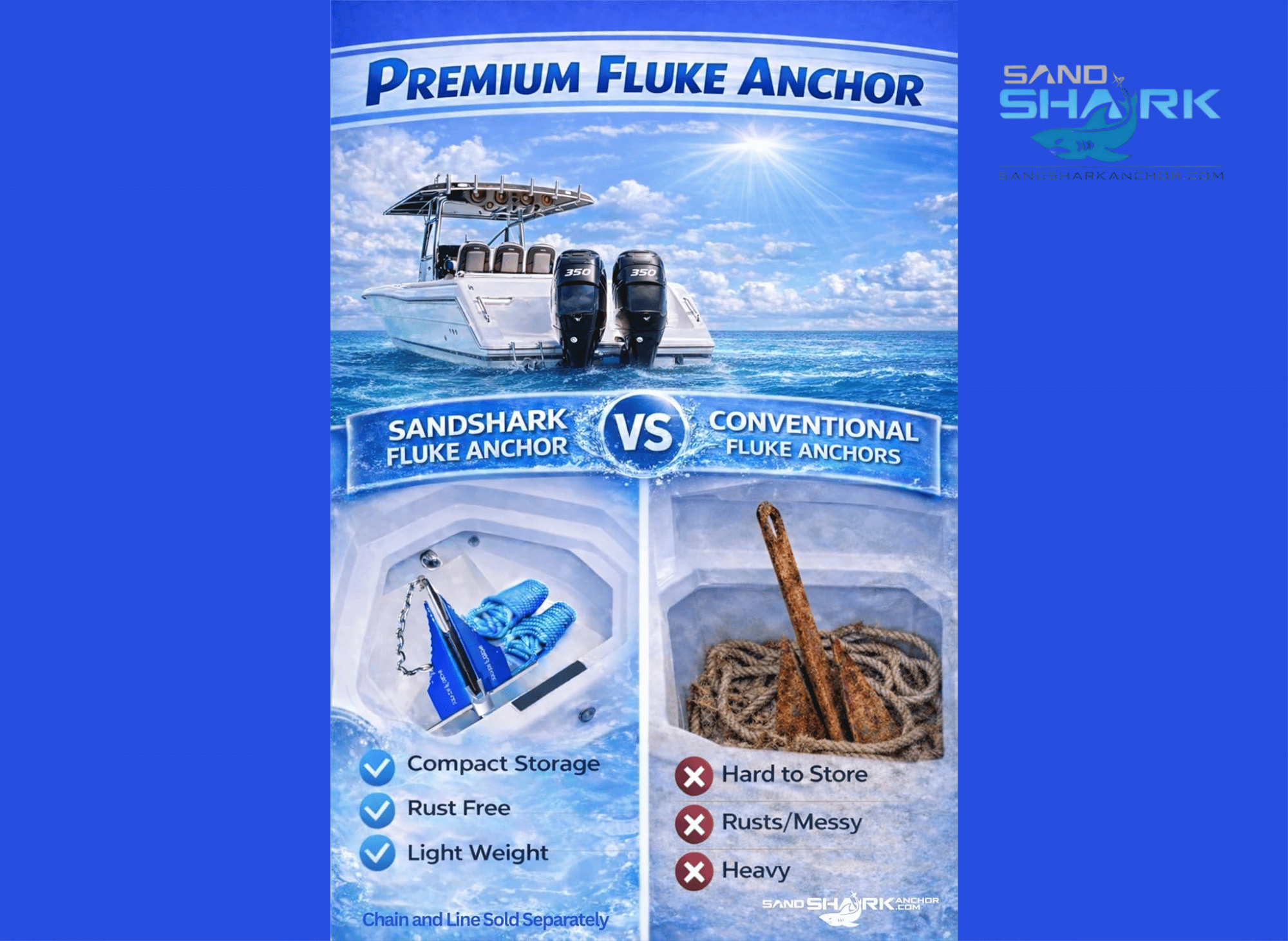
Most anchors are made from galvanized steel or hot-dipped galvanized steel, materials that are heavy, prone to rust, and awkward to store. The SandShark takes a different approach, using a high-strength aircraft-grade aluminum alloy that is corrosion-resistant in both saltwater and freshwater environments.
The result is an anchor that weighs just five pounds but performs like something twice its size. For boaters who regularly move their anchor around the deck or need to deploy quickly in an emergency situation, that weight difference matters more than most people realize.
Serrated Edges for Maximum Holding Power
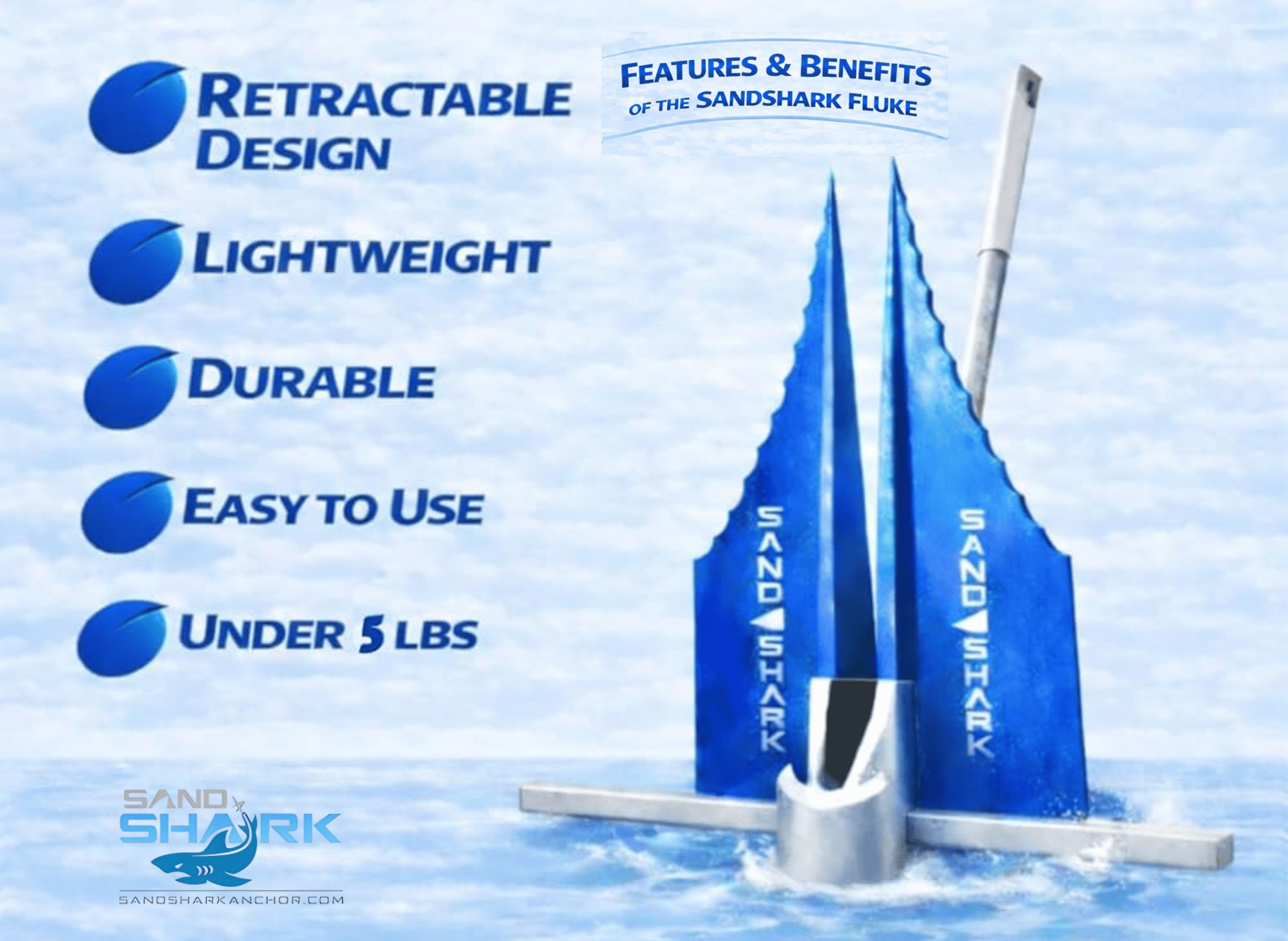
The serrated edges on the SandShark's flukes are one of its most important design elements. When the anchor contacts the seabed, those serrations grip and dig rather than slide. This dramatically improves holding power on sand or mud bottoms, the kind of soft bottoms where traditional fluke-style anchors often struggle to maintain a set.
On hard sand or compact lake beds, the serrated edges still allow the anchor to penetrate without requiring excessive rode length or anchor chain weight to assist the set.
Folding and Retractable Design
At 24 × 16 × 4 inches with the fluke extended, the SandShark occupies a reasonable footprint. Retracted, it collapses to 16 × 16 × 4 inches, small enough to tuck into a storage compartment without issue. The retractable shaft and folding mechanism make it one of the more storage-friendly anchors in its class, especially for boats where deck space is limited.
This is the feature that consistently comes up in customer reviews. Boaters love that a capable anchor doesn't have to take up half their bow locker.
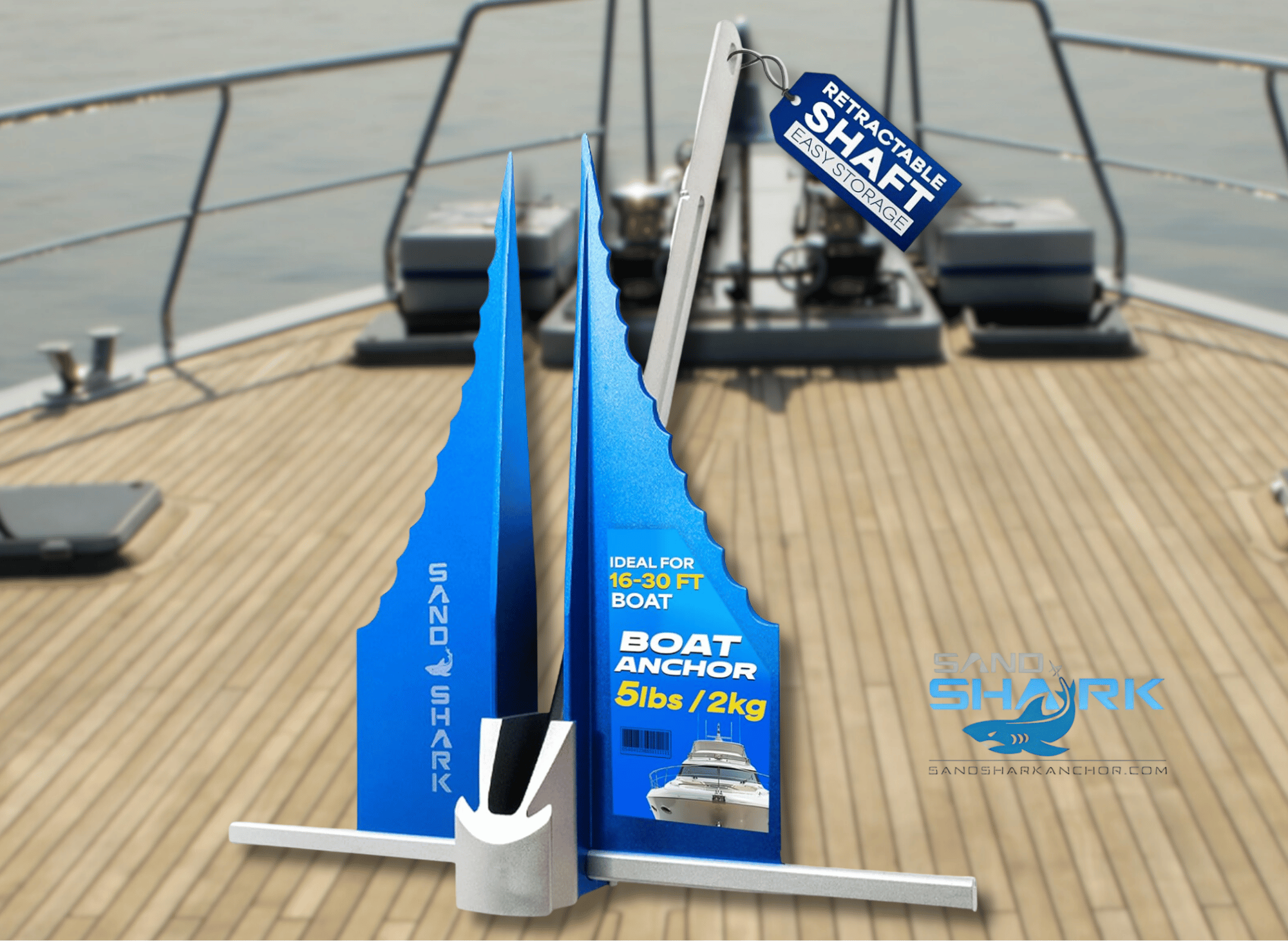
SandShark Premium Fluke Anchor
Retractable Shaft Easy Storage-Aluminum Pontoon Boat Anchor, Jet Ski Anchor. Boats<30 ft. Sand Anchor for Boat, Boat Anchor.
Performance Breakdown: Where the SandShark Excels
Sand and Mud Bottoms
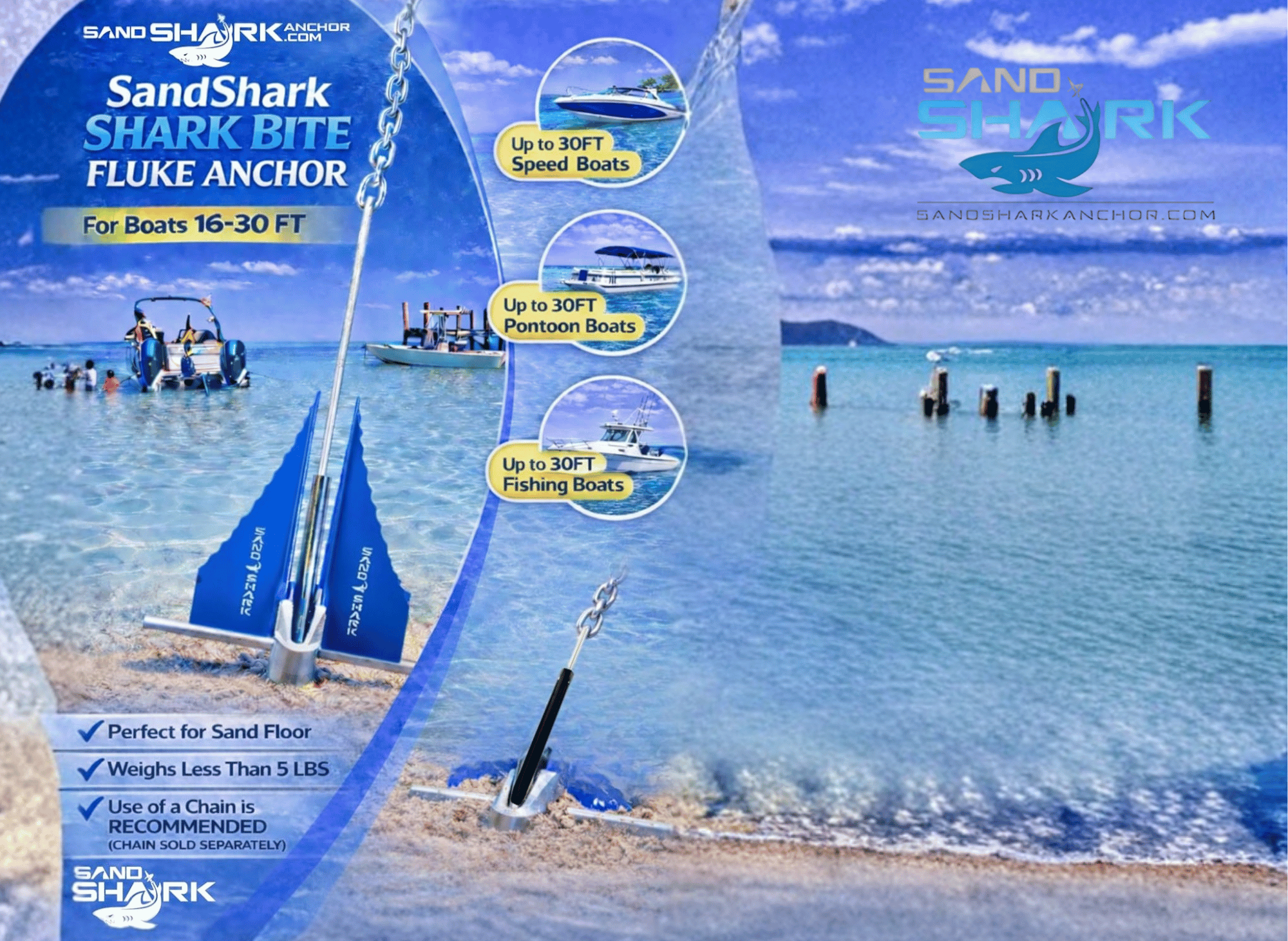
The SandShark was designed specifically with sand or mud bottoms in mind. The flukes are shaped to dig in quickly as tension increases on the anchor line, locking the anchor into soft mud or fine sand without requiring a long anchor rode to create sufficient angle.
For sandbar trips, one of the most common use cases among SandShark owners, this is ideal. Drop the anchor, let out enough line, and the serrated flukes seat themselves. To determine how much anchor line you need, use a scope ratio of 7:1, meaning the length of anchor line should be seven times the combined depth of the water and the height of your boat's deck above the seabed for effective anchoring. Customers report the anchor held perfectly throughout the day without dragging, even in moderate wind and tidal movement.
Fluke anchors like the SandShark are best in hard sand and mud, but are not recommended for rocky or grassy bottoms.
Saltwater and Freshwater Conditions
Unlike hot-dipped galvanized steel anchors that can deteriorate with repeated saltwater exposure, the aluminum alloy construction handles both environments without issue. Whether you're anchoring on a freshwater lake or pulling into a coastal inlet, the SandShark resists corrosion without special maintenance.
One customer specifically noted successful use in strong tides, conditions that would challenge any fluke anchor of similar weight.
Where It Has Limitations
No anchor performs well in every condition, and the SandShark is no exception. Rocky water bottoms are problematic for fluke-style anchors in general; the flukes can’t dig into rock, so the anchor won’t set properly. Rocks can also jam or hinder the setting and retrieval of certain anchors, making anchoring in rocky environments particularly challenging. Heavy grass presents a similar challenge, as grassy bottoms prevent the flukes from making solid contact with the bottom.
For rocky bottoms or heavy grass, a claw anchor or plow anchor would be a more appropriate choice. These anchor types are designed to minimize slip, which helps maintain stability and holding power even in rocky or grassy bottoms. Navy anchors are another option, featuring long stocks and a unique shape that allows one arm to grip a crevice in rocky or weedy bottoms.
The arm of a navy anchor is specifically designed to penetrate and secure the bottom in cluttered or rocky environments, making it ideal for heavy grass, weeds, and rocky bottoms where one arm can take hold of a crevice. Some anchors, like navy anchors, use one arm to latch onto crevices, which is particularly effective in certain bottom types. The SandShark is best suited for the soft-bottom conditions it was engineered for.
In rocky conditions, consider using a breakaway or anchor break system to help free a stuck anchor, reducing the risk of damaging your equipment.
Comparative Analysis: SandShark vs. Traditional Anchors
Against Heavier Galvanized Fluke Anchors
Traditional galvanized steel fluke anchors, like the Danforth-style anchors that have been the default choice for decades, rely partly on their weight to assist with setting and holding. A 13-pound galvanized fluke anchor generates holding power through mass as much as design.
The SandShark achieves comparable or superior holding power at five pounds through the geometry of its flukes and the grip provided by its serrated edges. The anchor digs in faster and holds more consistently in sand and loose mud, without requiring extra anchor chain to drag the shank down to the correct angle.
Customer feedback directly supports this: one reviewer noted the SandShark holds better in sandy conditions than the heavier galvanized flukes they used previously.
Against Standard Danforth-Style Anchors
Danforth-style anchors are a reliable, time-tested design. But they come with trade-offs: heavier weight, less compact storage, and a fixed shank that takes up significant space. The SandShark offers a retractable shaft and folding mechanism that the classic Danforth design simply can't match.
From a performance standpoint, the SandShark's serrated edges give it an edge in soft bottom penetration compared to smooth-edged Danforth flukes. The anchor also offers the benefit of corrosion-resistant aluminum rather than steel, which requires regular inspection for rust.
At $149.99, the SandShark costs more than budget galvanized kits from competitors (many of which are available for $65–$110). But it's built from better materials, stores more easily, and performs more reliably in the sandy and muddy conditions where most recreational boaters actually anchor.
Compatibility Guide: Is the SandShark the Right Anchor for Your Boat?
Ideal Boat Types
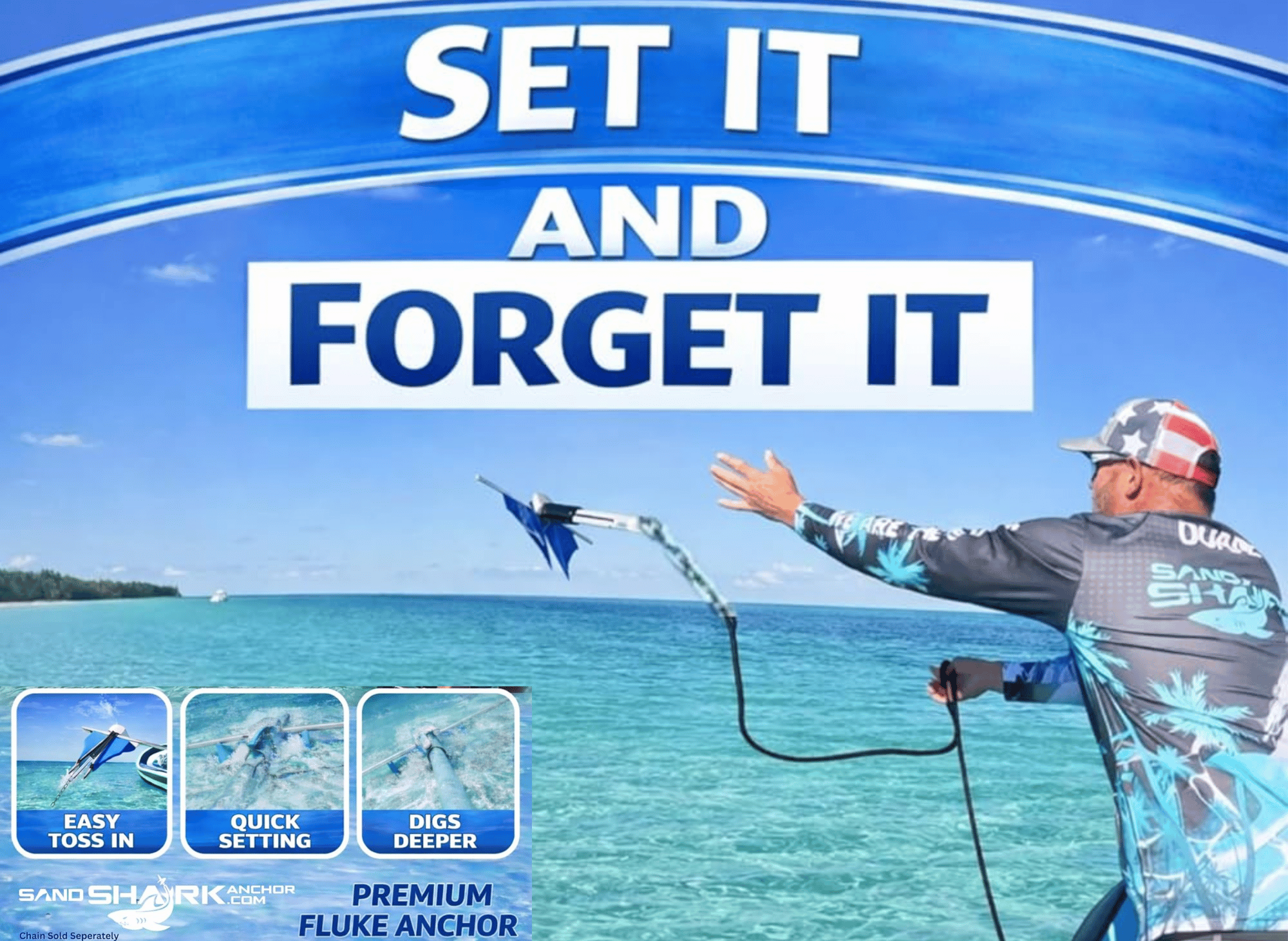
SandShark recommends this anchor for 16–30 ft watercraft. That covers a wide range of popular boat types:
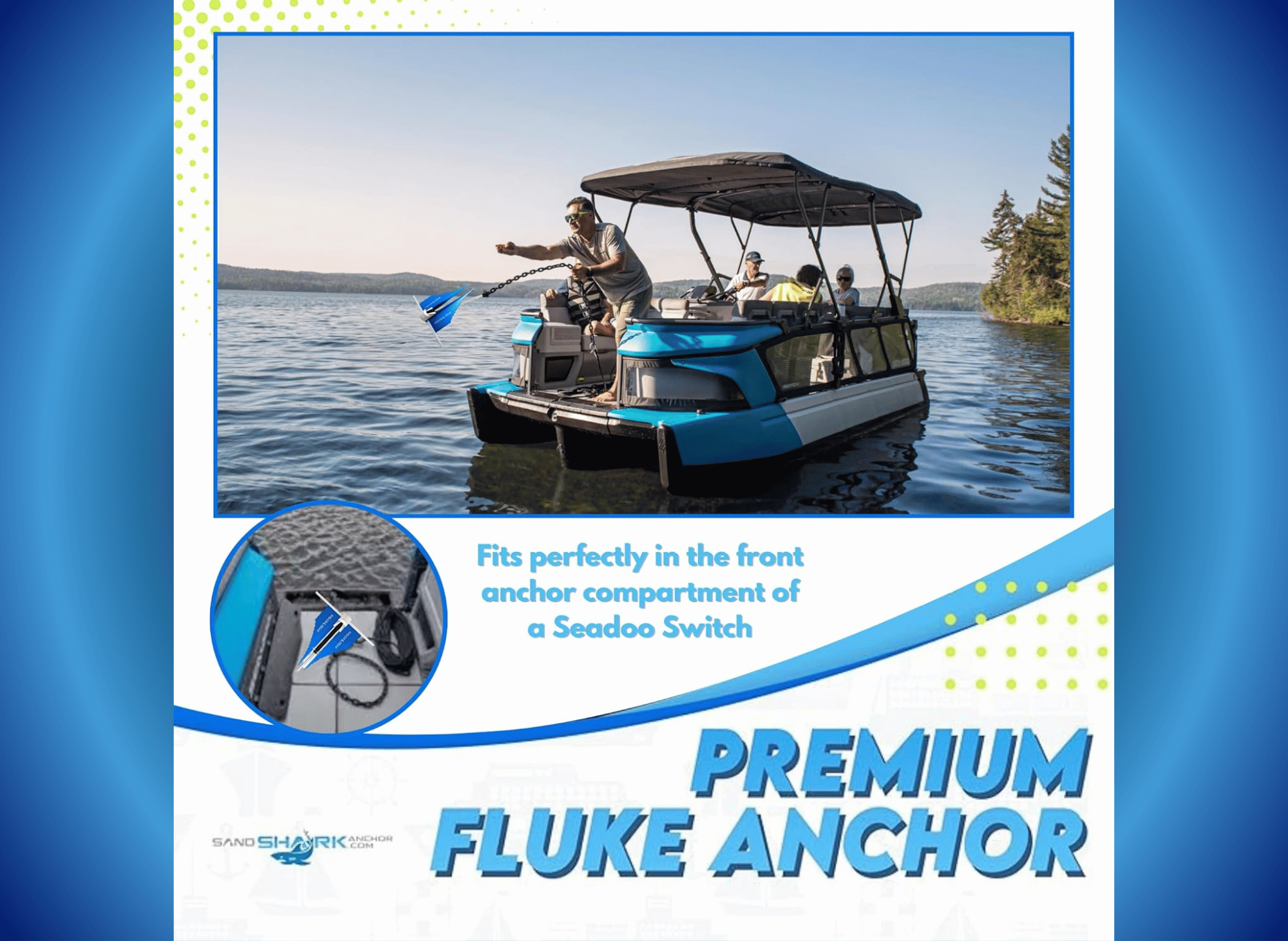
- Pontoon boats: The light-weight design and easy storage make this a natural fit for pontoon owners who want a capable lunch hook without cluttering their deck.
- Sport boats and ski boats: Compact, fast to deploy, and easy to retrieve, ideal for active watersports days.
- Bass boats and aluminum boats: Lightweight keeps bow-heavy loading in check while still providing a reliable hold.
- Small yachts: For daysailing or motoring in calm water conditions, the SandShark offers a practical secondary anchor.
For best security, it is recommended to carry two anchors of different styles, such as one fluke and one plow anchor, so you can adapt to varying conditions and ensure reliable holding in different environments.
Boats Outside the Recommended Range
For smaller watercraft like kayaks and jon boats, the SandShark is oversized. A lighter sand anchor or smaller folding anchor would be a better fit for those applications. At the other end, boats over 30 feet require more holding power than this anchor is designed to provide, particularly in wind, current, or rough conditions.
A good rule for anchor selection: match the anchor size to your boat size and the conditions you typically encounter. The SandShark is well-calibrated for its target range of 16–30 ft boats in calm to moderate water conditions.
Anchor Rode and Line: Why Nylon Matters for the SandShark
When it comes to keeping your boat secure, the anchor rode, the combination of chain and rope connecting your anchor to the boat, is just as important as the anchor itself. For small boats in the SandShark’s target range, choosing the right materials and setup can make all the difference between a worry-free day and constant tugging at the bow.
Nylon line is the gold standard for anchor rodes on recreational boats. Its natural stretch absorbs the shock from wind, waves, and tide shifts, reducing the risk of the anchor breaking free. Nylon is also lightweight, easy to handle, and resists abrasion and UV damage, making it ideal for repeated use in both saltwater and freshwater environments.
Pairing nylon line with a length of hot-dipped galvanized steel chain is a proven combination. The chain adds weight at the anchor end, helping the shank stay low and allowing the flukes to dig in more effectively, especially in sand or mud bottoms where the SandShark excels. Hot-dipped galvanized steel resists corrosion, ensuring your rode remains strong even after seasons of exposure.
Getting the length right is crucial. A good rule is to use a scope of 7:1, seven feet of anchor rode for every one foot of water depth. For example, anchoring in 10 feet of water means letting out at least 70 feet of line and chain combined. This longer length allows the anchor to set at the correct angle and provides enough give to handle changes in wind or tide, keeping your boat secure. In calm water or when anchoring on hard sand, a 5:1 ratio may be sufficient, but more scope is always safer in uncertain conditions.
The type of anchor you use also influences your rode setup. Fluke anchors, such as the SandShark, are designed for sand or mud bottoms and work well with a moderate length of chain and nylon line. Plow anchors and claw anchors, which are better for grassy or rocky bottoms, often require a longer rode to ensure proper setting and holding power. Matching your anchor size and rode length to your boat size and the typical bottom conditions is key to reliable anchoring.
Don’t overlook the hardware: galvanized steel bow shackles provide a secure connection between the anchor, chain, and line. Proper attachment techniques are essential for safety, especially in an emergency situation where you need your anchor to hold without fail.
Ultimately, the right anchor rode setup, nylon line, hot-dipped galvanized steel chain, and secure shackles ensure your anchor performs at its best. By following the good rule of matching rode length to water depth and considering your boat’s size and the bottom type, you’ll maximize holding power and enjoy peace of mind every time you drop anchor.
Easy Storage and Handling: Making Life Simpler Onboard
When space is at a premium on your boat, the ability to store and handle your anchor easily becomes a real advantage. Many boaters, especially those with jon boats or kayaks, appreciate anchors that don’t take up unnecessary room or add excessive weight. Fluke anchors and plow anchors with a streamlined, compact design are ideal for these situations, as they can be tucked away in tight compartments or under seats without hassle.
Anchors constructed from hot-dipped galvanized steel or galvanized steel are particularly valued for their durability and resistance to corrosion, even after long periods in storage. This means you can stow your anchor away after a trip and trust it will be ready for action the next time you’re on the water. For even greater convenience, look for anchors with a folding mechanism; these can be collapsed down to a fraction of their deployed size, making them perfect for boats with limited storage options.
Whether you’re outfitting a small jon boat, a kayak, or a larger vessel, choosing an anchor that prioritizes easy storage and handling will make your boating experience smoother and more enjoyable. You’ll spend less time wrestling with heavy steel and more time enjoying the water, knowing your anchor is always ready and easy to deploy.
Scope and Anchor Deployment: Getting the Most from Your SandShark
Proper anchor deployment starts with understanding the scope, the ratio of anchor line (rode) length to water depth. This ratio is crucial for ensuring your anchor sets correctly and keeps your boat secure. The standard recommendation is a 7:1 scope, meaning for every foot of water depth, you should let out seven feet of anchor line. For example, if you’re anchoring in 8 feet of water, you’ll want to use at least 56 feet of line. This extra length allows the anchor to lie flat and dig in, maximizing holding power even when the wind picks up or the tide shifts.
Different bottom types also influence how you deploy your anchor. Claw anchors are known for their versatility and can handle a range of conditions, from rocky bottoms to grassy bottoms. Mushroom anchors, on the other hand, are best suited for soft bottoms like mud, where their shape allows them to sink in and hold. When anchoring in sand or mud, a fluke anchor like the SandShark is ideal, but always adjust your scope based on the conditions; more scope in rough weather, less in calm water.
By understanding how to calculate and adjust your scope, and by choosing the right anchor for the bottom type, you’ll ensure your boat remains secure and safe, no matter where you drop anchor.
How to Use the SandShark: Step-by-Step Setup Instructions
Setting up the SandShark for the first time takes a few minutes. Here’s how to assemble and deploy it:
Assembly:
- Slide the two fins and one shaft onto the centerpiece.
- Remove the screw from the bar. With the holes lined up, slide the bar through the fins, center block, and shaft.
- Locate the hole in the bar at the center of the anchor shaft, then hand-tighten the screw into the hole.
- Ensure the anchor and line are securely attached using adequate hardware, such as shackles or swivels. Properly attaching the anchor and line with reliable metal fittings is important for safety and to prevent failure during anchoring.
Deployment:
- Remove the pin and extend the shaft into the locked position for use.
When you’re ready to drop the anchor, lower it over the bow, not the stern, and let out the anchor line at a ratio appropriate for your water depth. A common guideline is 5:1 to 7:1 scope, meaning five to seven feet of anchor rode for every one foot of water depth. Adding a short length of anchor chain between the shackle and the nylon line helps keep the shank angle low, improving how the flukes dig into the bottom.
Storage: Retract the shaft and fold the anchor back to its 16 × 16 × 4-inch profile. It fits cleanly into most bow lockers or storage compartments.
One customer noted occasional sand jamming the extension mechanism after heavy use. Rinsing the anchor with fresh water after each saltwater outing keeps the moving parts clear and extends the anchor’s service life.
Safety Precautions and Best Practices for Anchoring
Anchoring safely is about more than just dropping your anchor overboard; it’s about preparation, awareness, and using the right equipment for your boat and conditions. Always select an anchor of sufficient size for your boat's length, as an undersized anchor can fail to hold, especially in changing wind or tide. It’s wise to carry two anchors of different types, such as a lunch hook for quick stops in calm water and a heavier anchor for overnight or rougher conditions.
Your anchor rode should include a quality anchor chain made from galvanized steel, which adds weight and helps the anchor set, as well as bow shackles that are strong and corrosion-resistant. Regularly inspect your anchor rode, chain, and shackles for signs of wear or corrosion, and replace any components that show damage to maintain holding power and safety.
Always consider the wind, tide, and bottom conditions before anchoring, and never anchor in a way that could endanger your boat or others nearby. By following these best practices and staying vigilant, you’ll reduce risks and ensure a safer, more enjoyable time on the water.
Troubleshooting Common Issues with the SandShark Anchor
Even with a well-designed anchor like the SandShark, you may encounter challenges in certain conditions. If your anchor becomes stuck in loose mud or heavy grass, avoid pulling straight up, as this can make it harder to retrieve. Instead, try pulling at a low angle or use the shank to help break the anchor free. In some cases, gently maneuvering your boat to change the direction of pull can also help dislodge a stubborn anchor.
If you find the anchor isn’t setting properly in hard sand or rocky bottoms, it may be due to insufficient scope or using the wrong anchor type for the conditions. Increasing your scope or switching to a plow anchor, which is better suited for rocky bottoms, can improve performance. For small boat owners, always ensure your anchor matches your boat’s size and the typical bottom conditions you encounter; using an anchor that’s too large or too small can compromise both performance and safety.
By understanding these common issues and knowing how to address them, you’ll be better equipped to handle any anchoring situation, keeping your boat secure and your outings stress-free.
Customer Testimonials and Expert Ratings
The SandShark Premium Fluke Anchor holds a 4.5-out-of-5-star rating across 291 global reviews on Amazon, with 79% of customers awarding it five stars.
The recurring themes in customer feedback are consistent: lightweight, easy to store, reliable hold in sandy conditions, and straightforward assembly. One customer specifically mentioned the anchor held firm throughout a full day on a sandbar without dragging. Another noted excellent performance with an 8-foot anchor chain in strong tidal conditions. A third confirmed the anchor as "perfect for a 25ft pontoon", right in the middle of its recommended boat size range.
The two-year manufacturer warranty adds a layer of confidence for new buyers. For a $149.99 anchor competing against cheaper galvanized steel alternatives, the warranty signals that SandShark stands behind the product's durability.
The Bottom Line: Who Should Buy the SandShark?
The SandShark Premium Fluke Anchor delivers a compelling package for the right boater. If you run a 16–30 ft vessel on sand or mud bottoms, sandbar trips, lake anchorages, calm coastal waters, this anchor punches well above its five-pound weight class.
The aircraft-grade aluminum construction holds up where galvanized steel rusts. The serrated flukes set faster and hold more consistently than smooth-edged alternatives in soft bottom conditions. The folding design collapses to a fraction of its deployed size, making it easy to store a genuine advantage rather than a marketing claim.
It won't perform miracles on rocky bottoms or through heavy grass. And at $149.99, it's a considered purchase rather than an impulse buy. But for boaters who want a modern, lightweight anchor built specifically for the conditions they actually encounter, the SandShark earns its place at the bow.
Ready to upgrade your anchor setup? The SandShark Premium Fluke Anchor is available on Amazon for $149.99 with a two-year manufacturer's warranty.
Thank you for reading!
Your friend,
Kelly
#AnchorLife ⚓ #SailAway 🌊 #NauticalVibes 🚤 #OceanBound 🌅 #SeaLover 🐚 #MaritimeMood 🌴 #DocksideDreams 🛥️ #AnchorDown 🪝 #WaveChaser 🌊 #HarborHaven 🏖️
Amazon Prime offers a wide range of products designed to cater to diverse customer needs, all with the added benefit of fast, reliable delivery. From household essentials and groceries to electronics, clothing, and entertainment, Prime members get access to exclusive deals and discounts across various categories.
Additionally, Prime membership includes access to services like Prime Video for streaming movies and TV shows, Amazon Music for ad-free music, and Prime Reading for eBooks and magazines. This comprehensive suite of benefits makes Amazon Prime a convenient and value-packed option for millions of customers worldwide.
- Prime for you, adult
- Free 30-day trial of Prime
- All of Prime, half the price.
- Prime Video
- wedding registry
- Kindle Unlimited
- Amazon Music
- Amazon Fresh Groceries
 Kelly Bandel
 Kelly Bandel
 Kelly Bandel
 Kelly Bandel
 Kelly Bandel
 Kelly Bandel
 Kelly Bandel
 Kelly Bandel
 Kelly Bandel
 Kelly Bandel
 Kelly Bandel
 Kelly Bandel